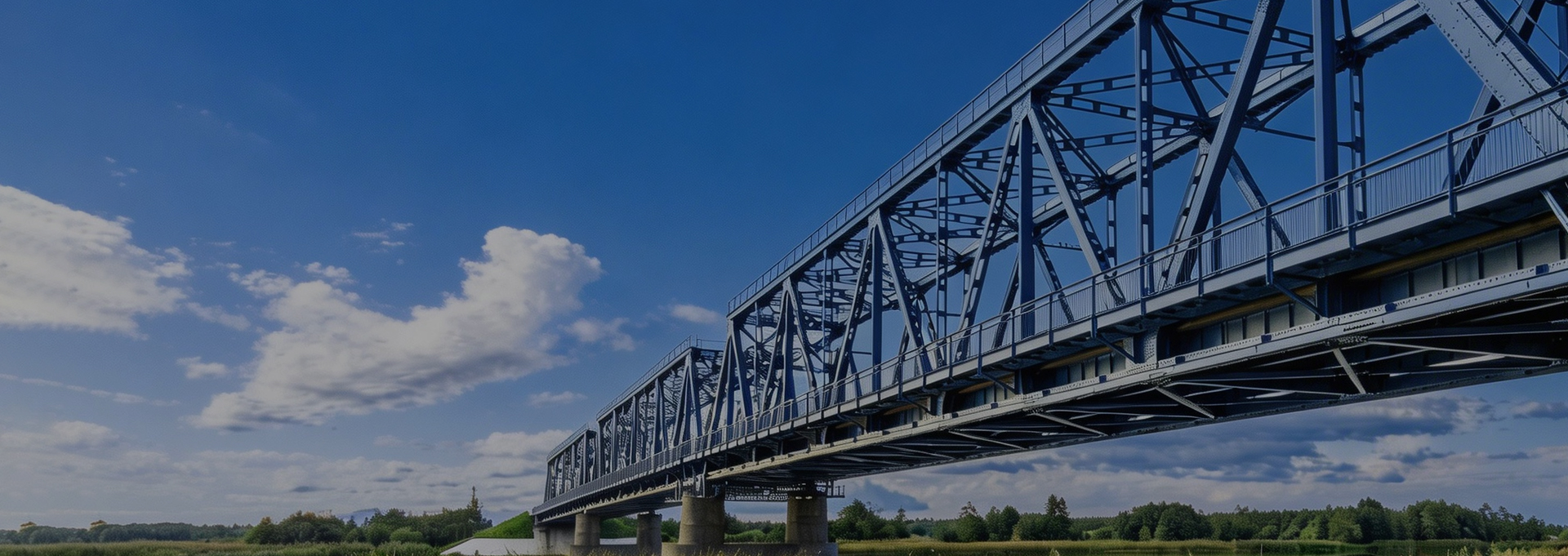
Un sitio de construcción en un valle remoto necesita un cruce temporal sobre un arroyo de 20 m antes de la temporada de lluvias. Formar un puente de hormigón permanente llevaría semanas y requeriría una gran cimbra. Un puente Bailey de acero ofrece una alternativa: un sistema de armadura prediseñado que a menudo puede ensamblarse en días, transportar camiones volquete cargados de manera segura y desmantelarse y reutilizarse en el siguiente proyecto.
el Puente Bailey de acero ha sido una respuesta común al acceso temporal y semipermanente durante décadas. Funciona combinando paneles de acero estandarizados, vigas transversales y marcos de soporte en una estructura de carga. Para los ingenieros y equipos de adquisiciones, la pregunta clave generalmente no es si el sistema funciona, sino qué serie y configuración coinciden con las cargas, la duración y la vida útil deseada del sitio.
Qué es un puente Steel Bailey y por qué todavía funciona bien
el first thing to understand about a steel Bailey bridge is that it is a panel-based truss bridge, not a single fixed design. Each piece is produced to tight factory tolerances so that different batches can be pinned together on site without modification. This is why it remains a preferred solution for emergency crossings, temporary detours, and even semi-permanent structures.
Desarrollado a principios de la década de 1940 como un activo de movilidad militar, el puente Bailey demostró que se podía construir un puente pesado a partir de paneles de acero livianos utilizando únicamente mano de obra local y herramientas básicas. Después de la guerra, el mismo principio se aplicó a las obras de carreteras civiles, la recuperación de inundaciones, el acceso a oleoductos y el mantenimiento de vías férreas. El diseño es simple pero no simplista; la armadura puede adoptar disposiciones de uno o varios tramos, y se pueden insertar paneles adicionales para aumentar la capacidad de carga.
el benefit is often predictable: less time on site, lower installation cost, and reasonable confidence in the final structure. A steel Bailey bridge often does not require large cranes when assembled on a roller or launching truss, and the same component pool can be reconfigured for a different bridge on the following week.
Los componentes estandarizados reducen el tiempo y el costo del sitio
el modular nature of the system means that the most frequently used components come from a relatively short list: longitudinal trusses, deck panels, crossbeams, support frames, and reinforced members. How those components are combined is what separates a light construction access bridge from a heavy-duty river crossing.
En la serie Tipo 321, el Panel de puente Bailey tipo 321 forma la unidad central de carga. Es un panel estandarizado que se conecta a la viga transversal y al marco de soporte con un sistema de pasadores, lo que permite a las cuadrillas transportar paneles en paquetes planos y ensamblarlos manualmente. Este es un sistema Bailey clásico utilizado en una gran cantidad de puentes temporales en todo el mundo.
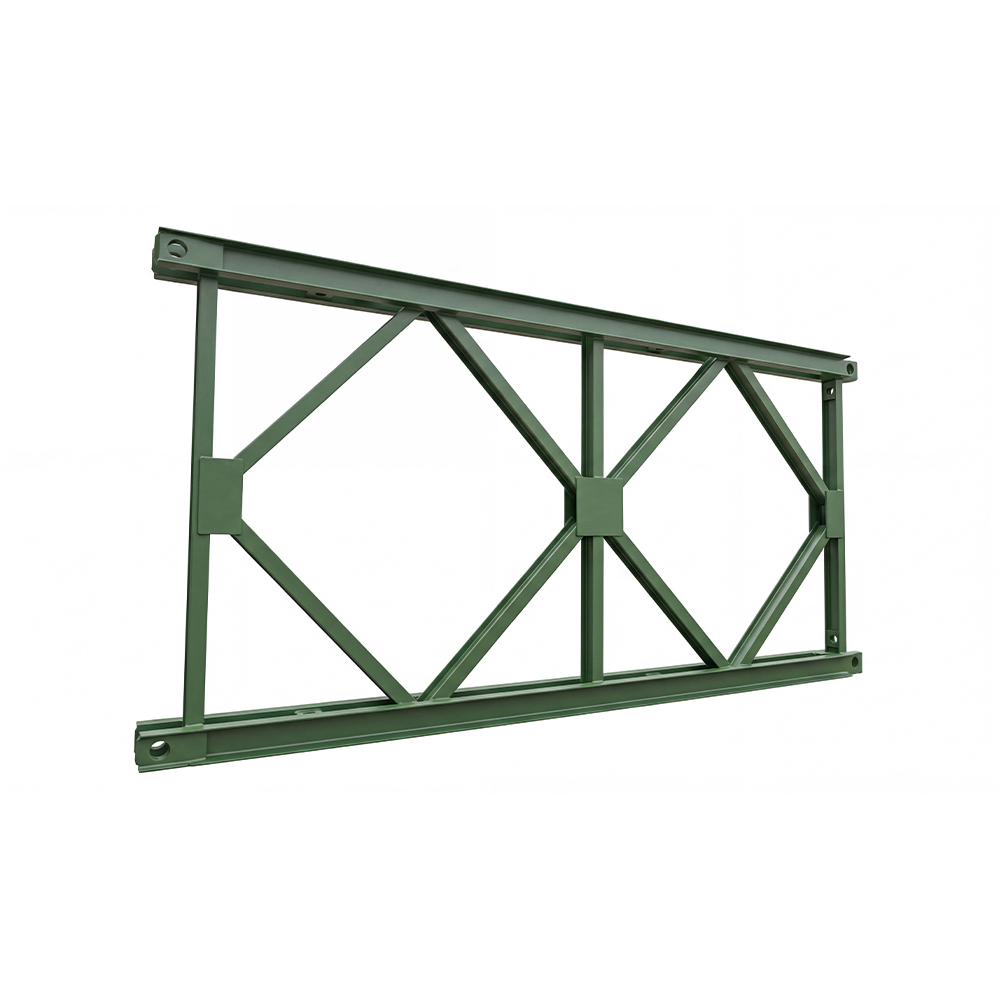 Panel de puente Bailey tipo 321 para puentes temporales modulares Este panel estándar forma la unidad de carga central del puente Bailey Tipo 321, y presenta una forma de cruz soldada estable de canal y vigas en I. Es ampliamente utilizado en puentes temporales y cimbras, con un rendimiento confiable. Ver producto →
 Para trabajos que requieren mayor resistencia, la serie HD200 proporciona un perfil de truss más alto y resistente. el Panel puente HD200 Bailey utiliza un diseño modular similar, pero está destinado a vehículos más pesados, luces más grandes y aplicaciones de cimbra más exigentes.
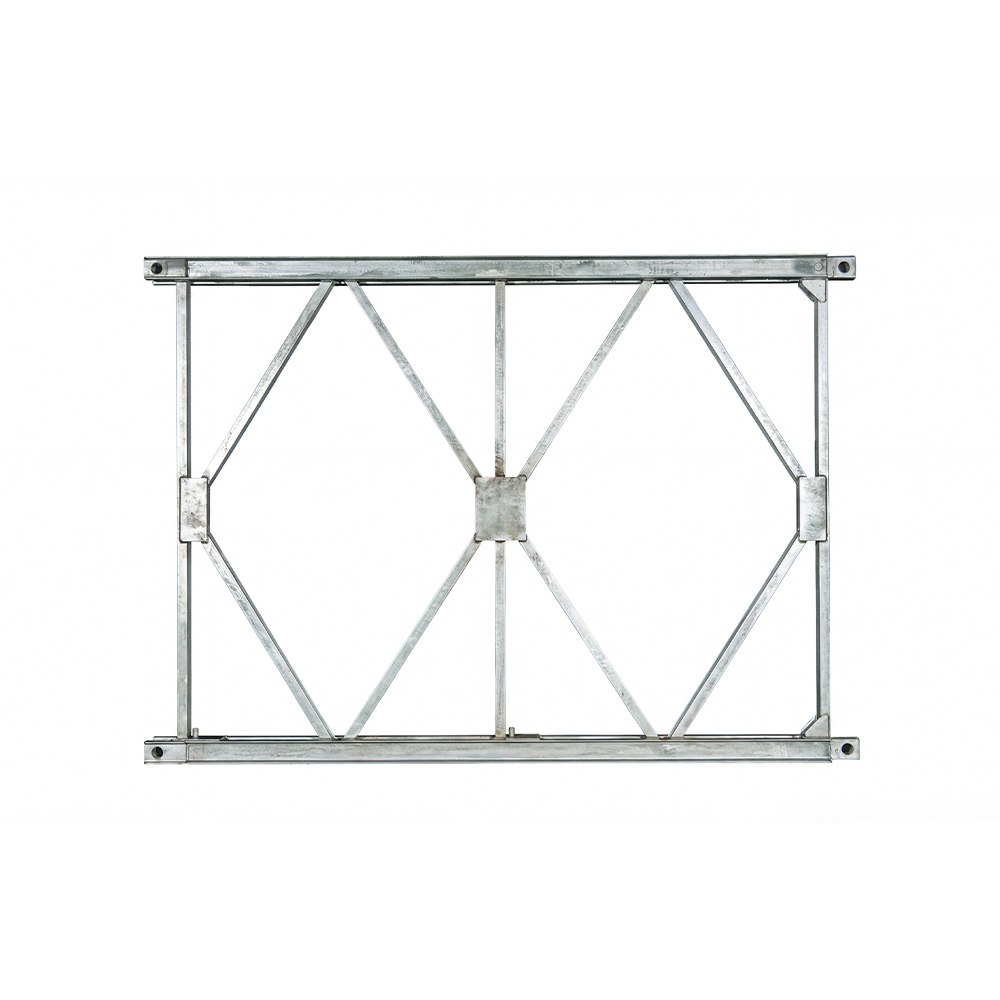 Panel de puente Bailey HD200 para aplicaciones de servicio pesado el HD200 panel offers a taller, stronger truss profile for heavier loads and larger spans. Its increased dimensions improve bending resistance and reduce deflection, making it suitable for demanding bridge projects. Ver producto →
 Esta tabla es una referencia de planificación general. Las dimensiones exactas, las capacidades de carga y el espaciado deben ser confirmados por el diseño de ingeniería para cada sitio específico. | Serie | Altura típica de la armadura | Longitud del módulo del panel | Uso típico |
| Tipo 321 | 1,5 metros | 3 metrosetros | Puentes temporales generales, accesos a obras, cimbras coladas in situ |
| HD200 / Tipo 200 | 2,0 metros | 3 metrosetros | Mayores requisitos de carga, luces más amplias, cruces de equipos pesados |
Ambos sistemas siguen la misma lógica: cada panel, viga y marco de soporte se fabrica con dimensiones intercambiables, por lo que el equipo de obra sólo necesita suministrar la cantidad y disposición correctas. La estandarización también ayuda a minimizar la cantidad de repuestos almacenados en el almacén, lo que puede reducir el costo de un cruce temporal o un contrato de alquiler.
La capacidad de carga, la extensión y la configuración del campo deben coincidir con las condiciones del sitio
La capacidad de carga es el primer parámetro a verificar. Una configuración de una sola capa puede soportar muchos vehículos de construcción, pero generalmente se necesita una disposición reforzada o de múltiples capas cuando el puente debe transportar camiones de concreto cargados, grúas o tráfico ferroviario. La luz también importa: para un cruce de 25 m, la deflexión y el momento flector pueden requerir una altura de celosía diferente a la de un puente de 12 m.
La verificación de ingeniería es un paso importante. Los proveedores deben proporcionar cálculos estructurales o, como mínimo, una configuración recomendada basada en las cargas por eje, el ancho del carril y la frecuencia de tráfico esperada que soportará el puente. Un riesgo común en el sitio es subestimar la carga dinámica de los camiones volquete cargados, lo que puede causar una deflexión excesiva y una conducción brusca para los operadores.
el same components are also used in permanent and temporary falsework. In cast-in-place concrete bridge construction, the Puente moldeado in situ Sistema de soporte Bailey Se construye entre pilares para soportar encofrados y hormigón fresco. El comportamiento es diferente al de un puente que transporta tráfico: el sistema debe resistir una carga grande distribuida uniformemente y limitar el asentamiento, lo que a menudo requiere miembros reforzados y un marco de soporte bien diseñado.
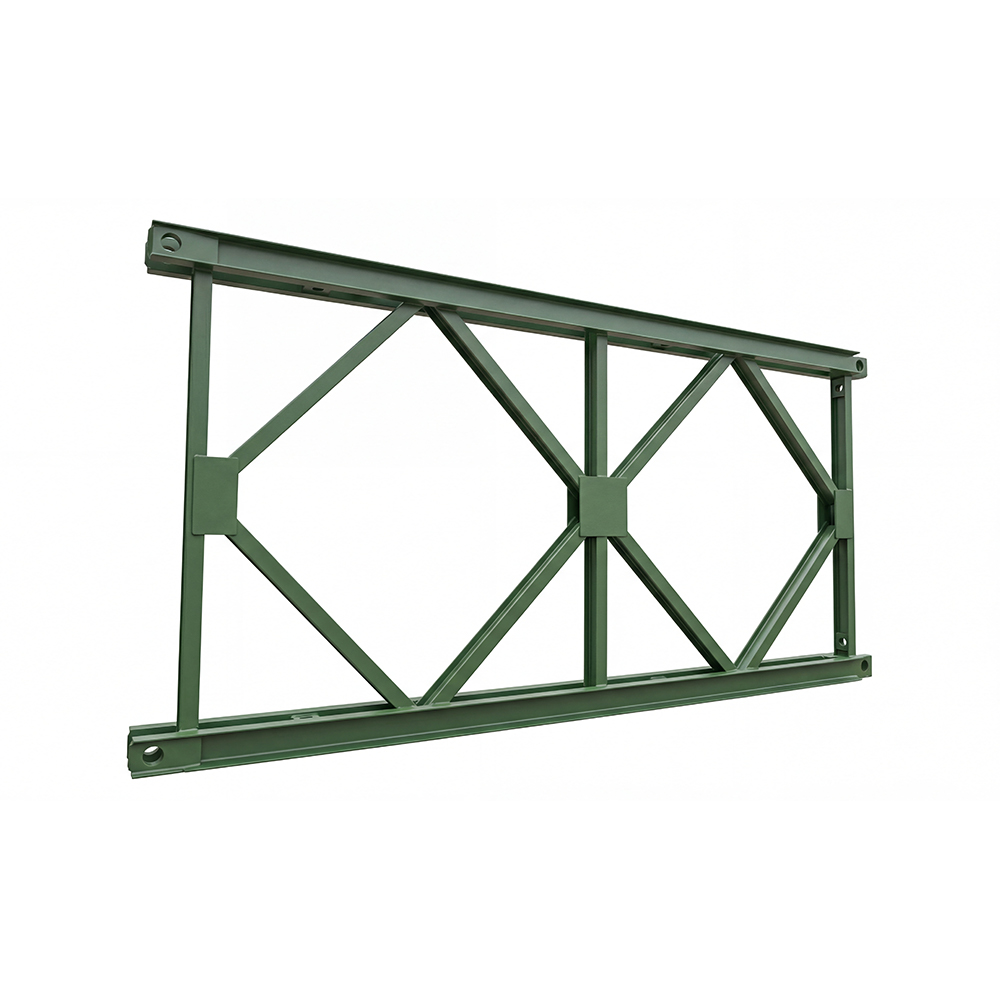 Sistema de soporte Bailey para puentes moldeado in situ para construcción de hormigón Este sistema de soporte está diseñado para la construcción de puentes de hormigón moldeado in situ, proporcionando alta capacidad de carga, estabilidad y adaptabilidad. Soporta el encofrado durante el vaciado del hormigón, garantizando la precisión y reduciendo la duración del proyecto. Ver producto →
 Una aplicación relacionada es el sistema de encofrado de elevación con gato, donde las cerchas y los conectores de cabeza de columna se colocan en posición para moldear pilares o columnas de puentes. En este proceso, la precisión y el ajuste de los conectores influyen en el suave movimiento del encofrado. Es por eso que la decisión entre el Tipo 321 y el HD200 debe considerar más que el puente en sí; Los mismos componentes modulares pasan a formar parte de sistemas constructivos muy diferentes.
Usos prácticos en infraestructura y obras de emergencia.
Los puentes Steel Bailey se especifican en una amplia gama de sectores porque los mismos bloques de construcción se pueden utilizar para cruzar, soportar o manipular equipos. En defensa, permiten un rápido despliegue de rutas de emergencia. En el transporte, proporcionan desvíos temporales mientras se reparan las estructuras existentes. En proyectos ferroviarios y de conservación de agua, suelen ser una opción rápida para cruzar canales, ríos o valles empinados durante la construcción.
el importance of such modular systems is reflected in Las ventajas de los puentes modulares de acero en el desarrollo de infraestructura moderna. . Los sistemas permiten a los contratistas recuperarse de cierres inesperados de carreteras, abrir un desvío antes de la demolición de la línea principal o integrar un puente temporal en una cadena de caminos de acceso en construcción.
el same components can also be combined into launching girders, gantry structures, arches, and support towers. In a bridge erection scheme, a Bailey truss may be used as a launching nose for a bridge girder, or as a portal frame to lift and place precast segments. These secondary uses can be especially useful for contractors who already own a stockpile of Bailey components and want to extend their value.
- Acceso de emergencia y movilidad militar a través de ríos y barrancos.
- Caminos de acarreo del sitio de construcción, acceso de trabajadores y cruce de equipos.
- Puentes de desvío de tráfico durante la rehabilitación de puentes o el reemplazo de alcantarillas.
- Cruces de sitios de irrigación y conservación de agua sobre canales y llanuras aluviales.
- Puentes ferroviarios temporales y accesos de mantenimiento a tramos remotos de vía.
Consideraciones de adquisición: compra, alquiler o diseño personalizado
el final decision is often commercial rather than technical. A short-term construction crossing is often a good rental candidate because the client only pays for the months of use and avoids storage and maintenance. A long-term project, or a fleet that will be redeployed multiple times, often justifies a purchase. Either way, component compatibility and spare parts matter.
elre are also hidden risks in the procurement process. If the support frames are not matched to the truss type, or the reinforced tension members are missing from the order, the bridge may be understrength at the most loaded panel points. This can lead to field improvisation, which is time-consuming and unsafe. Therefore, it is prudent to ask the supplier for a complete package, including panels, crossbeams, support frames, pins, bolts, and installation instructions.
Un proveedor experto también debe ofrecer diseño y soporte técnico. Zhenjiang Jinhao Road & Bridge Supporting Engineering Co., Ltd. integra servicios de diseño, fabricación, montaje y alquiler, lo que puede reducir la coordinación en el sitio. La gestión de calidad es una parte formal de la cadena de entrega, y la empresa construye estructuras estándar Tipo 321 y HD200, así como pórticos de lanzamiento y cimbras especiales coladas in situ. Esta amplitud de alcance significa que el cliente puede responsabilizar a una entidad de la integridad estructural y la instalación.
Antes de firmar, verifique los dibujos de los componentes y la calidad del material del acero. Pregunte sobre el control de tolerancia entre el panel y la alineación de los pasadores, porque una pequeña desviación en la calidad puede convertirse en un retraso importante cuando el equipo se encuentra en la orilla del río. Confirme que el paquete de alquiler o compra incluya la cantidad adecuada de lanzadores, rodillos y hardware de conexión. Ahí es donde a menudo se encuentran ahorros de costos notables o sorpresas inesperadas.
el steel Bailey bridge remains an effective solution for teams that need safe access without constructing a permanent structure. The core work is in the planning: understand the traffic, calculate the span and loads, choose the correct series, and work with a partner who provides the full delivery chain. With the right components and clear technical support, the bridge does not merely close the gap; it can become one of the simplest, fastest answers on the site.


 English
 Français
 عربى
عربى